
How to Choose the Right Electric Screwdriver for Your Production Needs?
In modern industrial manufacturing, electric screwdrivers are increasingly popular for their efficiency and precision. However, selecting the right one requires attention to several important factors to optimize processes and cut costs. Here are the key points to consider when choosing the electric screwdriver for your production demand:
1. Determine the Right type for your Application
Electric screwdrivers come in several types, each suited to different production needs:
- Corded screwdrivers are ideal for continuous use without battery concerns.
- Cordless models offer flexibility for mobile applications or small spaces but require battery management.
- Automatic screwdrivers with adjustable torque are best for precision tasks.
Clearly identify the type of work you need: If your tasks require extensive screwing and high speed, a high-powered, corded electric screwdriver may be the best choice.
Torque is a key factor in determining a screwdriver’s ability to securely fasten screws into materials. Different industries require different torque levels:
- Electronic industry: Generally requires lower torque to prevent damage to delicate components.
- Mechanical and automotive assembly: Requires higher torque to ensure stability and security of larger parts.
Some modern screwdrivers offer adjustable torque settings, allowing torque levels to be optimized based on material or location. This not only improves quality but also reduces the risk of damage from over-tightening.
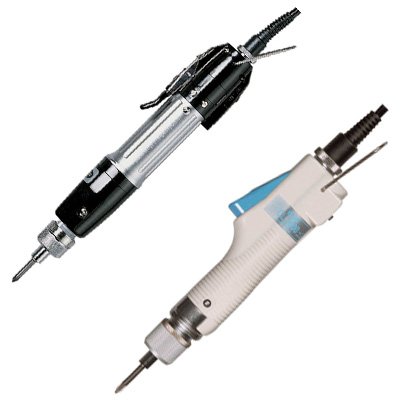
3. Operating Speed
The operating speed of an electric screwdriver can impact productivity. For large-scale manufacturing, choosing a high-speed screwdriver can help increase production output. However, high speeds may reduce accuracy in certain precision applications. Therefore, if flexible speed control is needed, consider a screwdriver with adjustable speed settings to match the requirements of each assembly stage.
4. Durability and Maintenance Costs
The durability of an electric screwdriver is a crucial factor, especially in demanding work environments. When selecting a screwdriver, consider the following factors:
- Material and Design: Opt for a model with a solid structure and an impact-resistant exterior.
- Ease of Maintenance: An electric screwdriver with a maintenance-friendly design can help reduce long-term upkeep costs.
5. Safety and Precision
Safety is an essential factor not to overlook. Many electric screwdrivers today are equipped with an automatic shut-off feature when the set torque is reached, which helps protect the device and ensures user safety. This feature is particularly important in processes requiring high precision, such as electronic circuit board assembly.
6. Automation Compatibility
With the advancement of technology, many modern electric screwdrivers can connect to automated control systems like PLCs. This is very useful in high-automation production environments, facilitating data collection and process control. Some devices even integrate sensors to closely monitor the torque and the number of screws that have been tightened.
7. Brand and Quality
Choosing electric screwdrivers from reputable brands ensures durability and product quality. Brands like HIOS or DeWalt are known for their long-lasting products and stable performance in industrial applications.
Conclusion
When selecting an electric screwdriver for industrial production, understanding your specific needs and the product features will help you make the most suitable choice. A well-suited device not only improves efficiency but also reduces production costs in the long term.